Are Metal Electric Gates Better than Wooden Ones?
When it comes to home improvement, we often think about how to transform the kitchen, bathroom, or bedroom. However, sometimes it’s the subtle changes that can make a big difference. The front or rear gate, for example, is only a small alteration to the exterior of your property, yet it can make a huge impact.
The biggest question is, do you choose an electric wooden gate or opt for the metal equivalent? Both have their advantages, but also have some disadvantages.
Ultimately, it comes down to taste, budget, maintenance and durability. Although some wooden gates may look robust, they also require regular maintenance. Where metal gates only need a small degree of upkeep, they are often more expensive.
So, in this blog, we investigate whether metal gates are better than wooden ones and what the advantages and disadvantages of both gate types are.
Wooden electric gates advantages & disadvantages
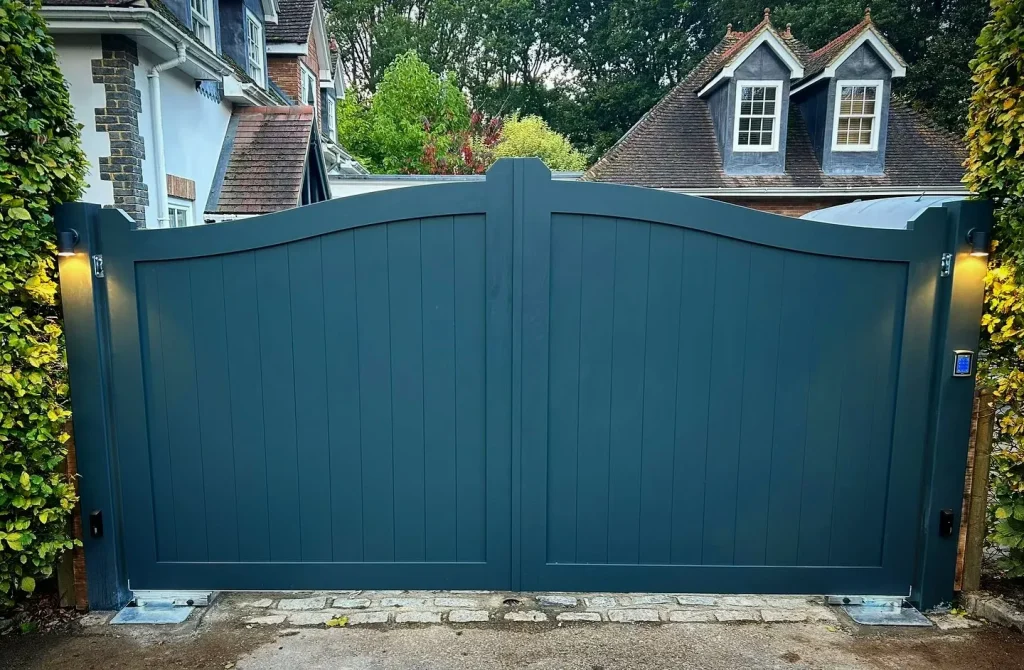
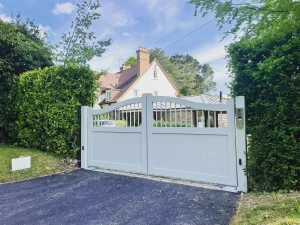
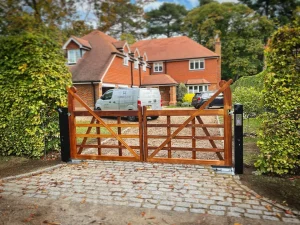
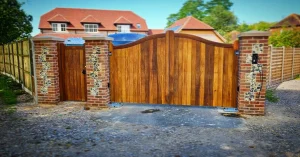
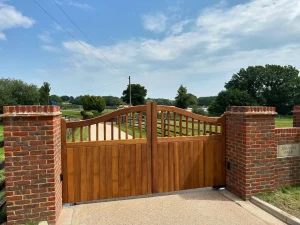
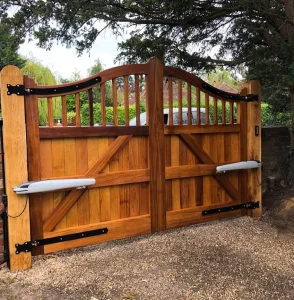
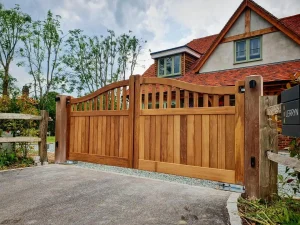
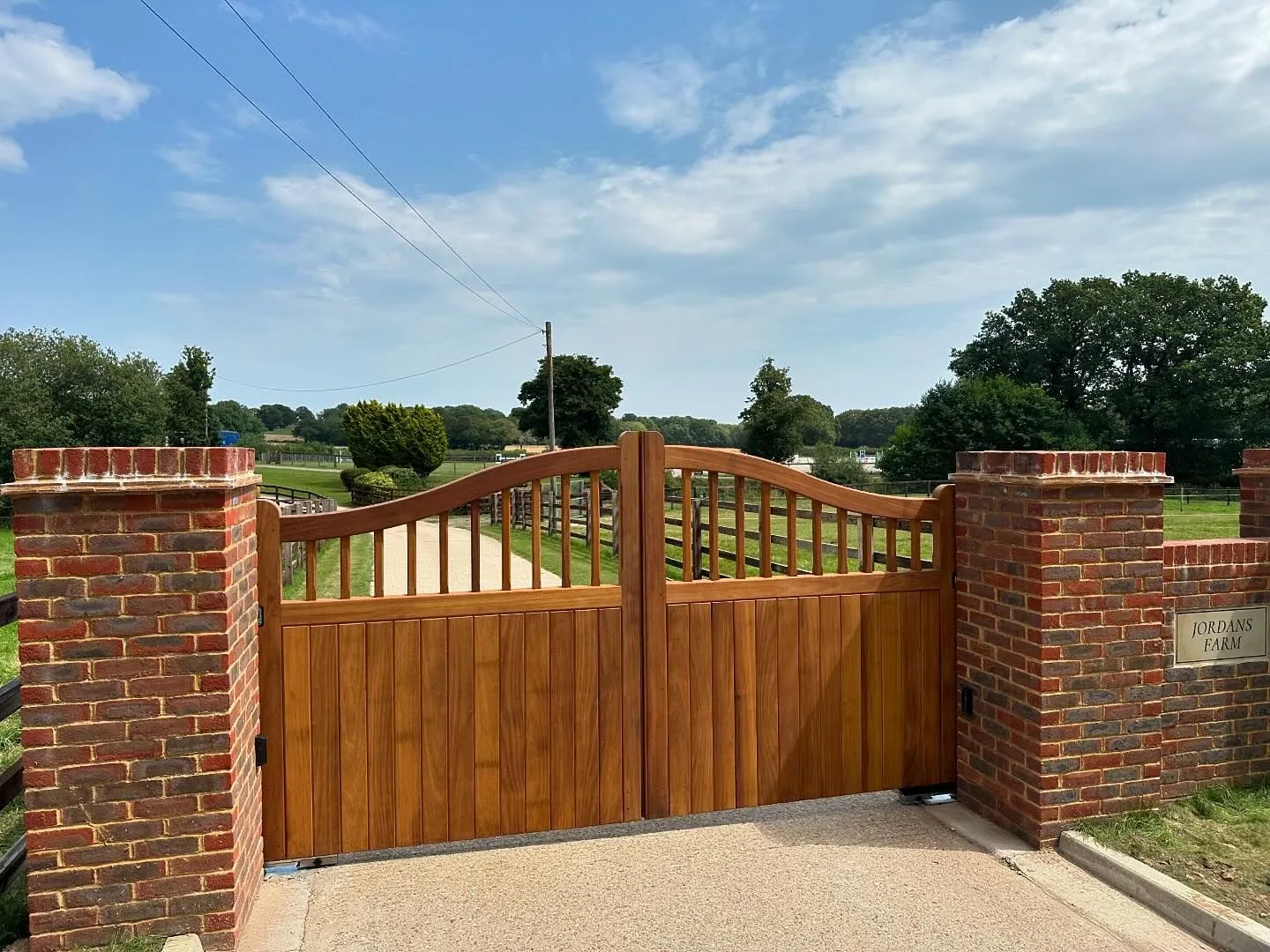
Wooden gates are a great addition to a property. With stunning, stylish designs and a natural look that suits almost all property types, they are a popular choice for homeowners aiming to add a touch of elegance to their home and increase kerb appeal.
Natural appearance
Wood provides a sense of character to the property and blends in beautifully, especially with rural, period or traditional properties.
Customisable
Wood can be stained, painted and shaped in a host of ways to deliver a truly unique exterior to your home or business. With this creativity, it becomes easy to match the gate to the existing external features or landscape.
Low initial cost
In many cases, wooden gates are less expensive than their metal equivalents. This may vary depending on the type of timber chosen.
Privacy
Solid timber designs provide excellent privacy and shield the property from the road or passersby exceptionally well. Closed board designs can also be reinforced to add a further level of security.
Regular maintenance
Wood requires a lot of care to remain in optimal condition. This means that sealing or staining should be high on the agenda for the foreseeable future. This will protect your gate from UV damage and rot, so it shouldn’t be dismissed.
Long lifespan
Well-maintained wooden gates can last for many years. As long as you look after them well, you could easily get 10-30 years’ worth of life from a wooden gate.
Risk of warping and pest damage
Without sufficient care, wood can warp and split. Over time, the splits can become home to various insects, which will only speed up the deterioration of the gate.
Shorter lifespan
In general, wooden gates may not last as long as metal gates. Even with frequent care, this can still be an issue.
Metal electric gates: advantages and disadvantages
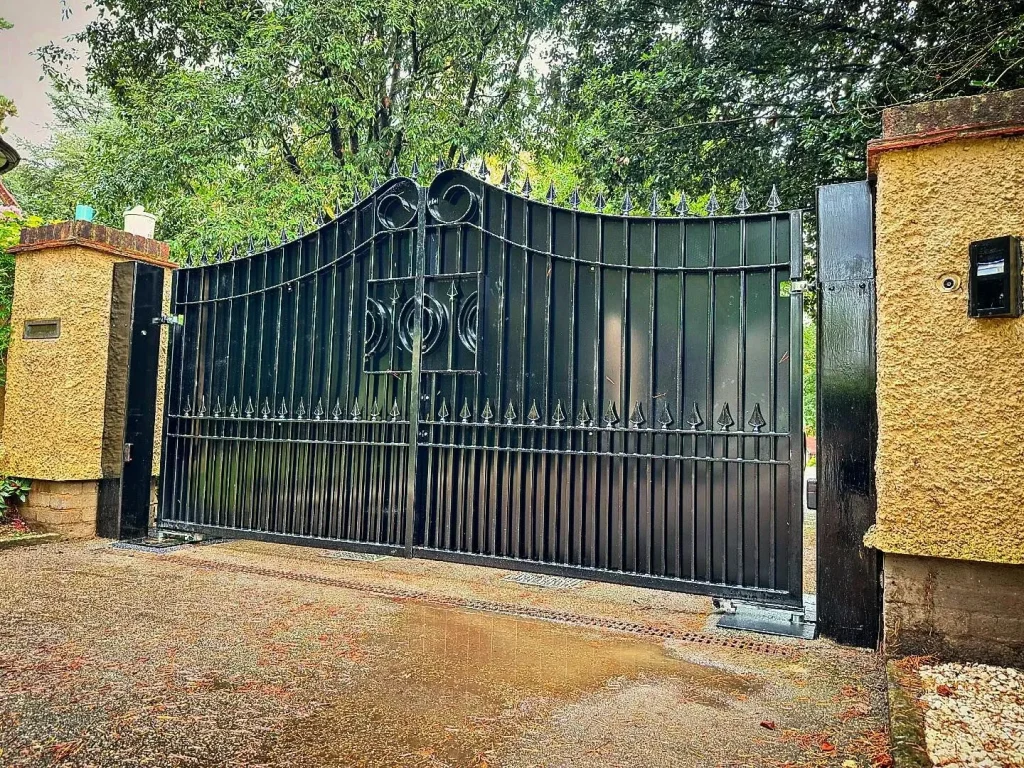
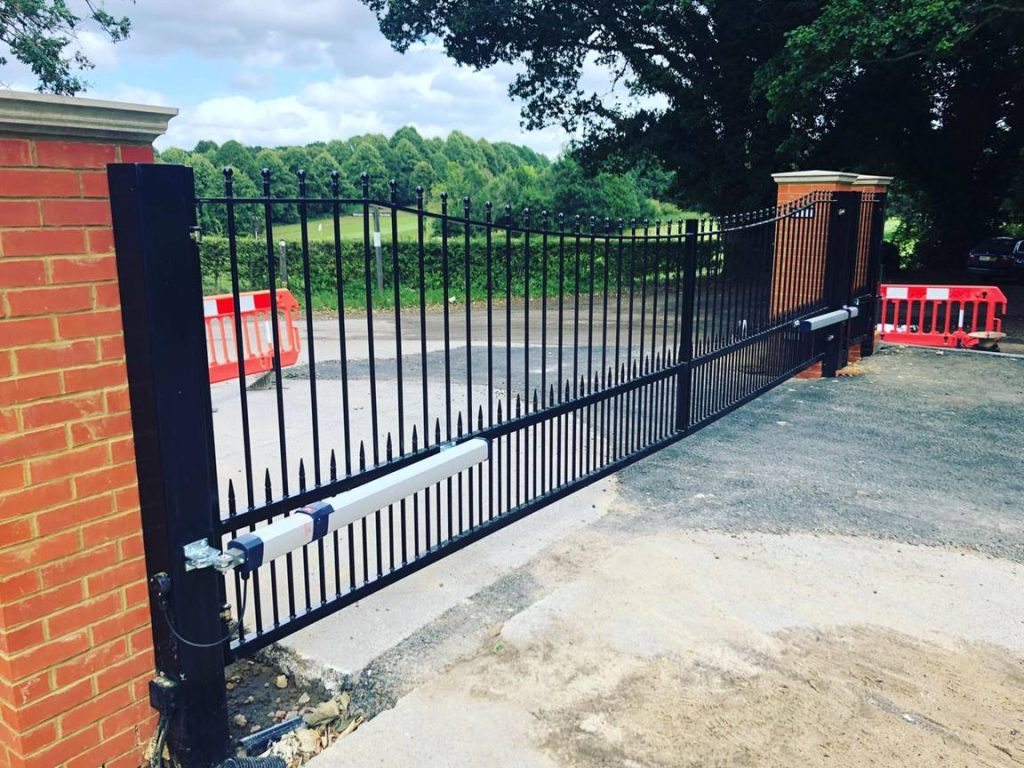
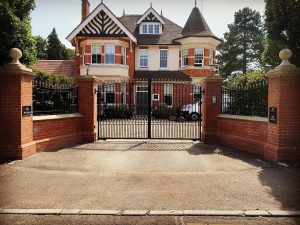
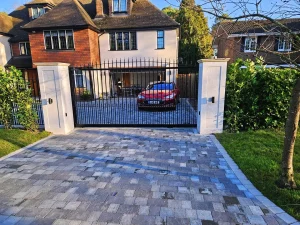
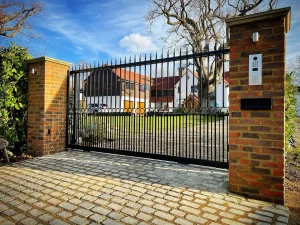
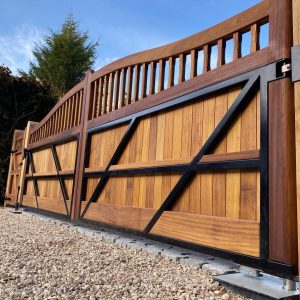
Metal electric gates are commonly found at commercial properties. That being said, it is certainly not unusual to see them outside residential buildings. Much like wooden electric gates, they can enhance kerb appeal, and with an assortment of designs, speak volumes about the character of the property and its owners.
Very durable
Metal gates, especially those galvanised or powder-coated, require very little rust protection, enabling them to withstand variable weather conditions without being significantly affected. This means you could see 20 years or more from just one gate.
Low maintenance
Occasionally, metal gates need a new coat of paint to keep them looking fresh, but aside from that, very little maintenance is required.
Improved security
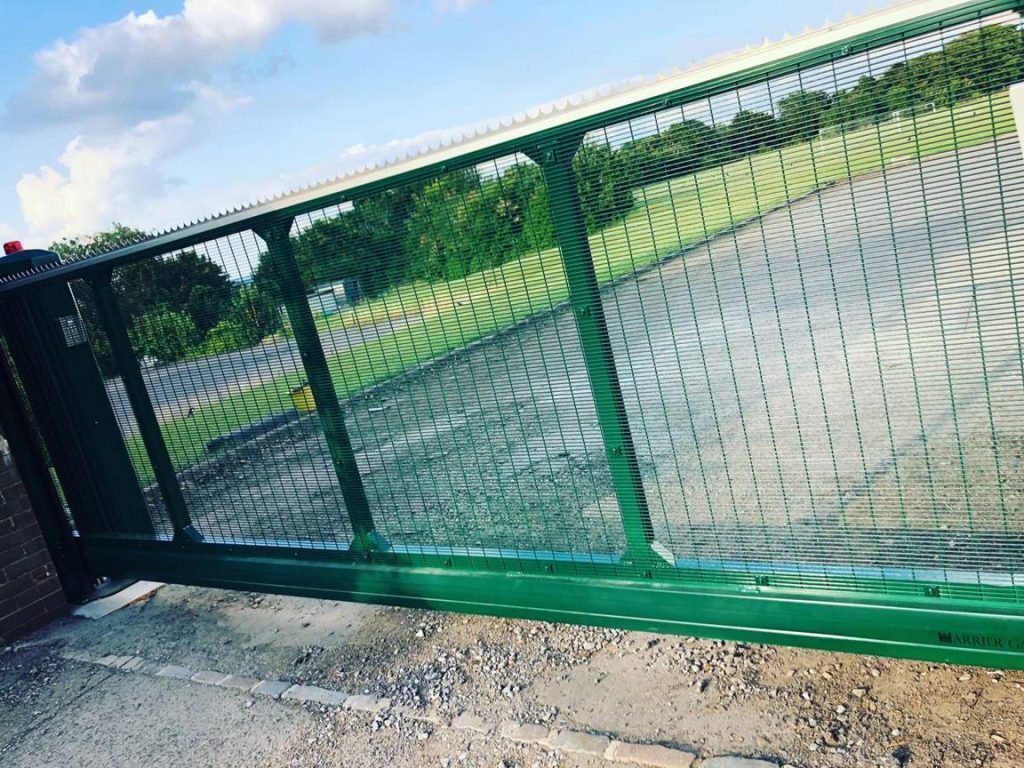
Metal electric gates can be difficult to force open or damage, making them an ideal option for security-focused properties or those in areas where crime remains a concern.
Flexible design options
Metal can be crafted into a host of designs to suit the character of the property. From classic to contemporary, every taste and style can be catered for.
Long-term value
Despite the higher initial costs, metal gates can last longer than wooden gates with fewer repairs and less maintenance. This makes the overall expenditure on the gate either less than or close to that of a wooden gate.
Potential for damage
If the gates have been poorly installed or not coated correctly, damage can become evident quickly. Rust or corrosion can set in and weaken the gate, making it not only unable to function but also quite unsightly.
High initial costs
Metal gates are more expensive to buy than wooden gates. This can be a concern if working to a budget and a particular style has taken your fancy.
Not as welcoming
Despite metal gates exuding character and style, in some properties, they just don’t work. Instead, they can make a property feel less welcoming.
So, should I choose a metal electric gate or a wooden one?
It really depends on a host of factors. Wooden gates can be cheaper to buy initially, but will require more preventative maintenance, increasing the long-term cost. Metal gates, on the other hand, will be a little more expensive at first, but won’t need you to do as much work to keep them in great condition.
Appearance-wise, wooden electric gates are seen as the solution if natural aesthetics and traditional design suit your tastes more. Wooden gates may also provide you with more design options, thanks to how wood is crafted. That being said, metal gates can display stunning, intricate designs that showcase excellent craftsmanship and emphasise the character of your property.
For all types of electric gate installation across the south of England, contact Harrier Gates. We craft and install bespoke wooden and metal gates for commercial and residential properties, using our years of experience to deliver exceptional, high-quality products. From traditional styles to contemporary designs, each installation is carefully designed and built to suit your property and its surroundings. Speak to us today to find out more.