How to Maintain Wooden Gates
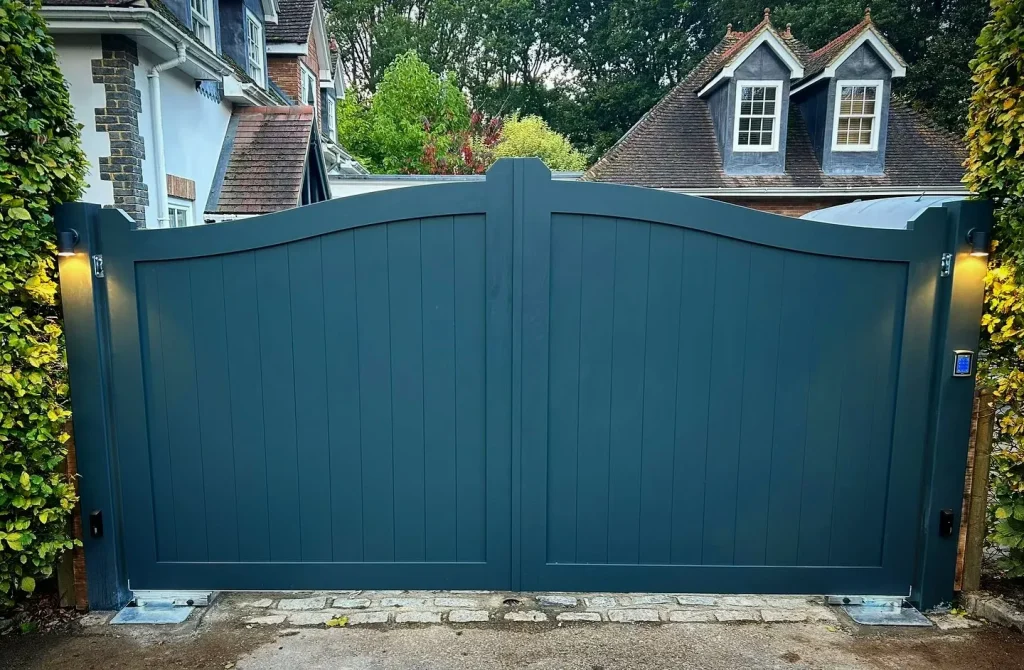
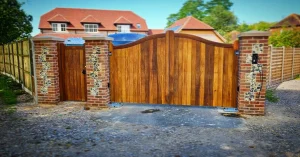
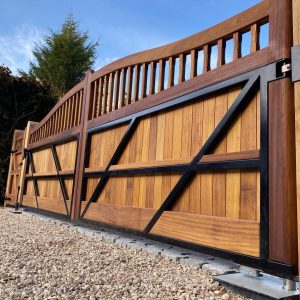
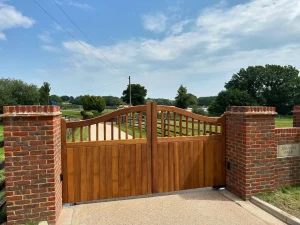
Your wooden gates are likely a centrepiece of your property. One of the first things you and your visitors encounter when approaching the home or business they stand proud as an example of your standards, tastes and style.
However, while they may look grand and elegant initially, without suitable maintenance, they can soon fall into disrepair and leave a property looking dated and uncared for. Furthermore, with kerb appeal having such an impact, they may even drive the value of your home downwards.
Maintaining wooden gates comes down to:
- Inspections
- Cleaning
- Preventative maintenance
- Repairs
- Treatment
In this blog, we explore how to maintain your wooden gates and how to identify the issues that could be arising.
How to tell when wooden gates need maintenance
Even if your wooden entrance gate looks in perfect condition, hidden issues may lead to its slow deterioration. Most issues will be visible, but some won’t, so regular inspections are essential to catch problems early.
Common signs that your wooden gates need a degree of maintenance include:
- Visible signs of damage such as cracks and splits
- Fading
- Signs of rot or decay
- Rusty or corroded components such as hinges, locks or handles
- Signs of infestation
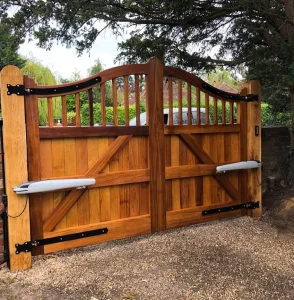
- Faults with the automation
Maintaining wooden gates
Before proceeding with any maintenance, you should conduct an initial inspection. By looking at all the surfaces, hinges, automated systems and structures, you can identify the extent and possibly the cause of any issues.
In some cases, your gate may only need cleaning; in others, it may require repair. We’ll run through each form of wooden gate maintenance so its lifespan can be extended, and you aren’t caught out by small problems that develop into bigger issues.
Cleaning
If you notice your wooden gate has signs of moss, dirt and other debris, use a soft brush to scrub it off. You should see most of the grime fall away, but for maximum results, wash the gate with warm water and mould soap. This should help remove the more stubborn marks and bring your gate back to its best. Remember to wash off any remaining soap with a hose or pressure washer, but don’t use a high-pressure setting as you could damage the gate. You’ll also need to dry the gate too, so it doesn’t warp or crack.
Sanding and minor repairs
If your wooden gate shows signs of minor damage, such as rough edges, small holes or slight cracking, you should be able to repair it yourself. For rough edges or splinters, use a sander or some sandpaper, going with the grain to smooth out any inconsistencies. If there are holes or cracks, consider filling them with a wood filler and sanding them down for a smooth finish. Significant cracks may require more delicate repairs and could be better treated by a professional.
Your inspection should also highlight whether there are any loose screws, hinges, handles or locks. If these are noticeable, tighten them up. If they show signs of rust or severe deterioration, they should be replaced.
Lubricate moving parts
There are various moving parts on your wooden gates. While many people may think of the hinges, you also have the handles and locks to consider too. If moving parts are not lubricated often enough, they generate friction and become weaker. This creates issues that could mean your gate no longer functions as it should, and that repairs will likely become more expensive. If any moving parts squeak, it’s a sign you may have left it too late and may need to replace them. Use a silicone-based spray or light oil to coat hinges, latches, and all other moving parts to keep them in top condition.
Rust prevention
Your gate is exposed to the elements, so rain, snow, and sunlight all cause problems. The UK climate means your wooden gate will endure frequent wet weather, so rust is a concern. Over time, rust weakens metal, causing hinges to buckle, break or stick. Neither of which is ideal for a gate that will need to move often. Rust can be prevented. A coat of wax or suitable sealant can be applied to the metal and reapplied if required. However, if the gate shows severe rust, it is better to replace the rusted parts rather than try to prevent the rust from getting worse.
Refinishing and repainting
When you inspect your gate, you may notice that its finish or paintwork shows signs of fading or deterioration. These finishes protect the gate from UV damage, and exposed patches mean the gate becomes susceptible to further damage. Furthermore, such blemishes make the gate look less attractive, so it’s important to refinish or repaint when appropriate. You can do this by lightly sanding the gate to remove the paint or varnish and then applying a fresh coat.
You can also choose from a range of preservatives that protect the wood from rotting, insect damage and the effects of the weather. Water and oil-based products are also available and can be applied to enhance the protection of your gate, but may not offer the same cosmetic appeal as paint.
How often should you inspect and maintain your wooden gate?
Regular inspections are essential, but this doesn’t mean that a once-a-week check is necessary. You should always check over your gates after severe weather and keep an eye on encroaching branches and weeds that could trap moisture around the gate.
At Harrier Gates, we design, craft and install bespoke wooden gates for homes and businesses across the south of England. From traditional to contemporary designs, we enhance cosmetic appeal and property safety with durable wooden gates that match your tastes and preferences. Contact us today to learn more about our additional property services, including access control systems, external lighting, driveway surfacing and more.