What is the Difference Between a Keypad, an intercom, and a GSM Gate Entry System?
Adding a gate entry system to your property to enhance its security can be a wise move for both home and business owners. However, various systems exist, and understanding their differences is crucial before you settle on one. Whether it's keypad entry, an intercom or a GSM system, you’ll need to do your homework to find out what suits your property best. Each works a little differently, and some may suit certain properties better than others. So, in this blog, we explore them all, showing you what each system does, the property it suits and what to consider before you commit.
What are the three main types of gate entry systems?
There are three main types of gate entry systems: intercom, keypad and GSM. You’ve probably used each at some stage when entering or exiting a property, but until now, you may not have understood them or noticed any differences. Let’s dive in.
Keypad gate entry systems
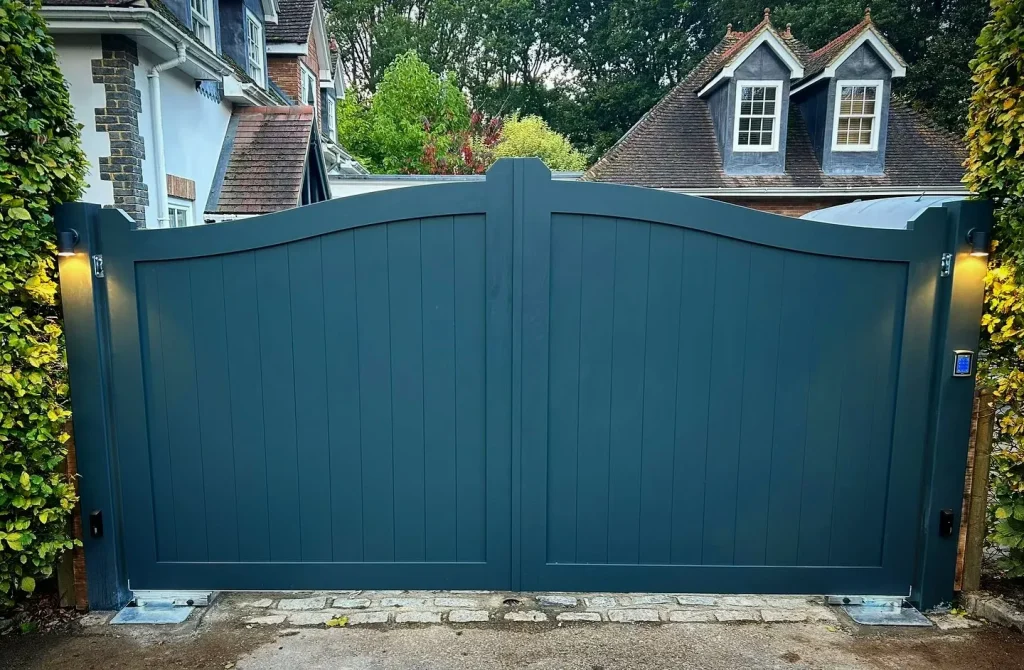
A keypad entry system is perhaps the most straightforward option of the three we will cover. The user enters a PIN on the keypad that is mounted near the gate. With the correct code entered, the gate opens.
How it works
- A numeric keypad or touchscreen panel is installed at the gate entrance
- User enters a pre-set PIN to trigger the gate
- Some systems will support multiple codes, so each user has their own unique PIN
- Codes can be deleted or changed when necessary, often through an app or controller
Best suited for
- Residential properties where the same small group of people need regular access
- Driveways or private roads with predictable, trusted users
- Properties where simplicity and low maintenance are priorities
Key considerations
- Codes can be shared or forgotten, and you have no way to verify who is entering them
- There is no way to vet a visitor or communicate with them remotely
- Properties that require or desire high levels of security may wish to combine a keypad with additional features such as a video display or fob.
Keypads are a reliable, cost-effective, easy to manage access system for general use. However, the limited control over unknown visitors can make them less suited for some properties.
Intercom gate entry systems
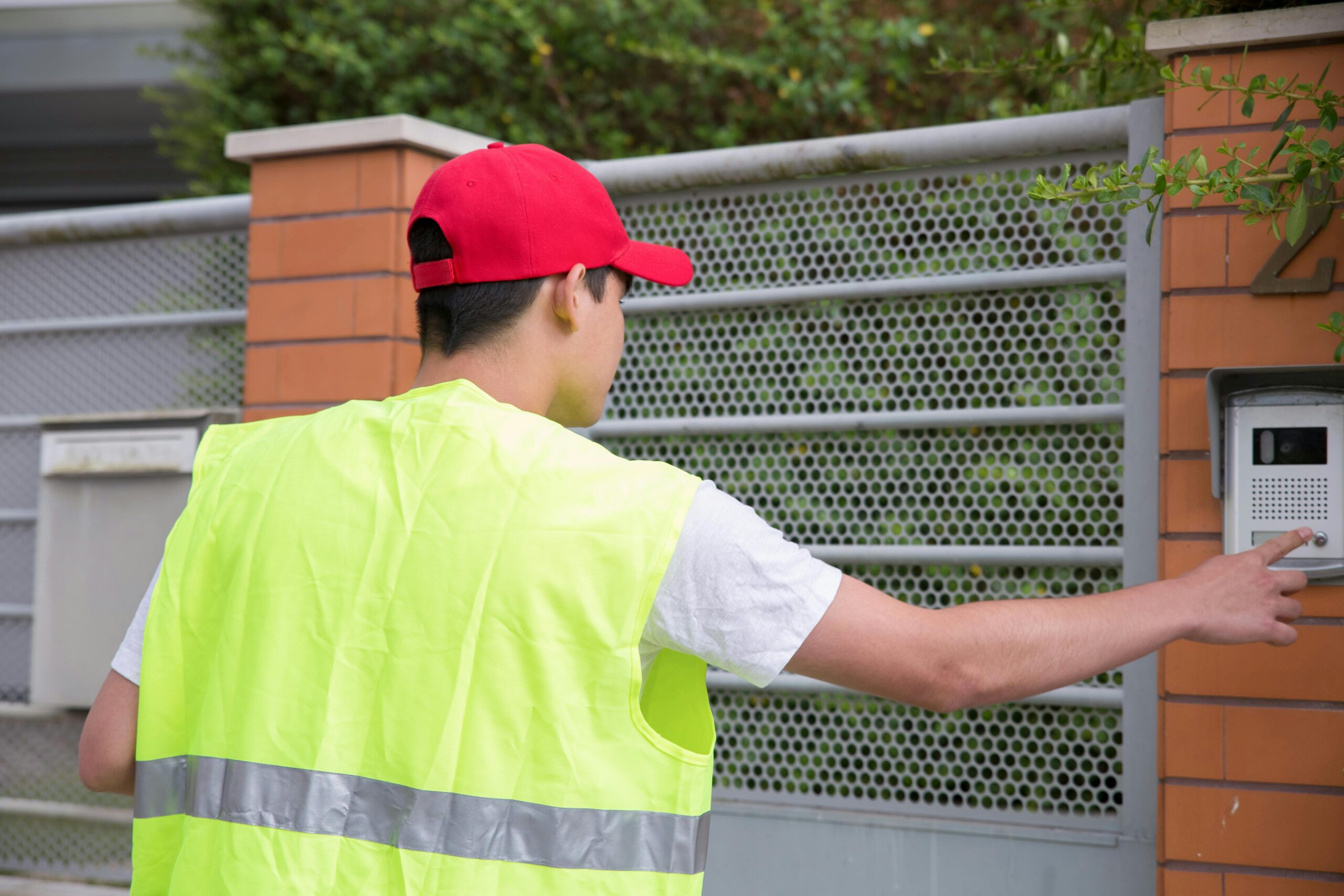
An intercom gate entry system adds a communication layer. Rather than simply entering a code, a user presses a button at the gate and is then connected via audio or video to someone inside the property who can grant or deny access.
Types of intercom entry systems
Various intercom entry systems could be used at your property. Much depends on the level of security you desire and your budget.
| Type | Description |
| Audio intercom | Voice-only communication between visitor and occupant |
| Video intercom | Live camera feed alongside two-way audio |
| Wired intercom | Hardwired connection between the gate panel and the internal handset or monitor |
| Wireless intercom | Wi-Fi or radio frequency with no cabling to internal rooms required |
How it works
- A panel with a call button, and a camera in some cases, is mounted at the gate
- The visitor initiates contact by pressing a button, the occupant speaks via a handset, wall panel or app
- The occupant then grants or denies access after verifying via video or audio
Best suited for
- Residential properties with regular deliveries or unexpected visitors
- Businesses where visitor identity needs to be confirmed before entry
- Properties where a visual record of arrivals is useful
Key considerations
- Wired systems require installation work and may cause disruption in and around the property
- Wireless systems are less disruptive but can be affected by signal performance
- Someone must be present, at least via an app, to answer calls and grant access
- Video intercoms generally provide better image quality than GSM-based alternatives
Intercoms allow you to speak with and identify a visitor, making them a significant security upgrade over keypad-only entry.
GSM gate entry systems
GSM (Global System for Mobile Communications) entry systems are a further development in property security. Rather than communicating with a fixed handset or monitor inside your property, a GSM system connects directly to a mobile or landline number, wherever you are in the world.
How it works
- The gate panel contains a SIM card and connects to the mobile network
- When a visitor activates the system, it calls the designated number(s)
- You answer the call and speak with the visitor
- A keypress on your phone (normally the star or hash key) opens the gate
- A fob reader may also be incorporated on some systems
Best suited for
- Holiday homes or properties that are frequently unoccupied
- Landlords managing multiple properties or access points
- Business owners who want to manage access without being on-site
- Properties with high visitor turnover or delivery access requirements
Key considerations
- A reliable signal is required for calls to connect
- Video quality can be unstable on GSM systems
- Ongoing SIM and data costs
- Firmware should remain updated to prevent security breaches
Which gate entry system is right for you?
The right choice depends on your property and how it is used. For some home or business owners, there is a preference for strict controls; for others, not so much.
- Keypad only: Suitable where the same trusted users need access and visitor management isn’t a concern.
- Intercom: Ideal where you need to check visitors and are usually on site or nearby.
- GSM: Ideal for remote management, unoccupied properties or those with high visitor volumes.
It’s possible to combine systems. For example, a GSM intercom with a built-in fob reader allows regular visitors access with a fob, while unexpected visitors will trigger a call to your phone.
Can I install a gate entry system myself?
You could, but it is not advised. Regardless of which gate entry system you choose, gate automation in the UK is subject to specific safety regulations. Electric gates must comply with BS EN 13241, the current British standards for industrial, commercial and garage doors and gates, which sets out requirements for safe design, risk assessment and performance.
In Great Britain, machinery safety is governed by the Supply of Machinery (Safety) Regulations 2008, the UK equivalent of the EU Machinery Directive 2006/42/EC, which requires that powered gate entry systems are safely designed and installed by a competent person. Therefore, any entry system should be installed by a fully qualified professional. A poorly integrated system could compromise both safety and gate security.
Unsure which system suits your property best? Speak to our team at Harrier Gates. We install access control systems for all types of properties in Sussex, Surrey and the home counties. With over 20 years of experience and an understanding of proven systems such as BFT, CAME, FAAC, Paxton, Telguard and more, we are a trusted name in home and business security.